PLACE 2020 is the project that launched the Centre for Place Writing at Manchester Metropolitan University. The work here explores, via a dynamic mix of new writing (poetry, essay, commentary, reflection and story), films, photography and podcasts, how ideas of ‘place’ shifted radically across the globe in 2020, as billions of people went into lockdown due to the Covid-19 pandemic. The Centre invited some of the most acclaimed, distinctive and emergent thinkers, writers, artists and film-makers in place writing and related creative fields to respond to these ideas.

An hauntological gadabout inclusive of images and out-takes from my journeying and the films EDITH WALKS, GALLIVANT, LEK AND THE DOGS & WATLING STREET. However, the glue that holds much of the film together is the sound and music gleaned from my INSIDEOUT CD published through Sonic Arts Network many moons ago. Films of memory breed more films of memory. Ultimately Memory begets more memory.

My great-grandfather, Arthur Sinclair, guided – in his view – by a pair of duplicitous and drunken priests, was stumbling and slithering down the old Ashaninka salt route, a future trade highway, towards an encounter with the indigenous chief


I had been making ready to leave, as I always seem to be, as I always thought was the way that everyone experienced place.

One day in March, the curtain finally falls. The building where I live in Greenwich Village is evacuated of the last of its 650 students who scatter across the city or to other states. Young Thug leaking out of dorm rooms, the pinging of elevators, the click of pool-table balls, dining-hall gossipation: all gone. Corridor noticeboards still display posters with QR codes for open mic nights, casting calls, Broadway shows, basketball games in Brooklyn. Each is an advertisement for business and vitality - “Make career connections”. “Declare your future. Move boldly forward.”

It is busy, but an undaunted waitress shows me to a spare chair on a table with some other customers. I sit down to read and regain my breath, but struggle to focus amidst the muted scream of frothing milk and the buzz of conversations in Tigrinya. As people come and go, a smartly dressed man sits down opposite me. Back straight, he sips meticulously at an espresso. I can tell he is watching me, perhaps surprised by the sight of a westerner in a state that guards its own isolatio

I sailed and sculled further inland on the last of a flooding tide. Neap high water, a few inches deeper than my boat's draft, allowed me to thread shallower reaches — green tendrils of drying creeks and swashways on my out-of-date Admiralty chart, unreliable data for a passage through this expanse of shoal water, sand, mud, and yellow marshland.

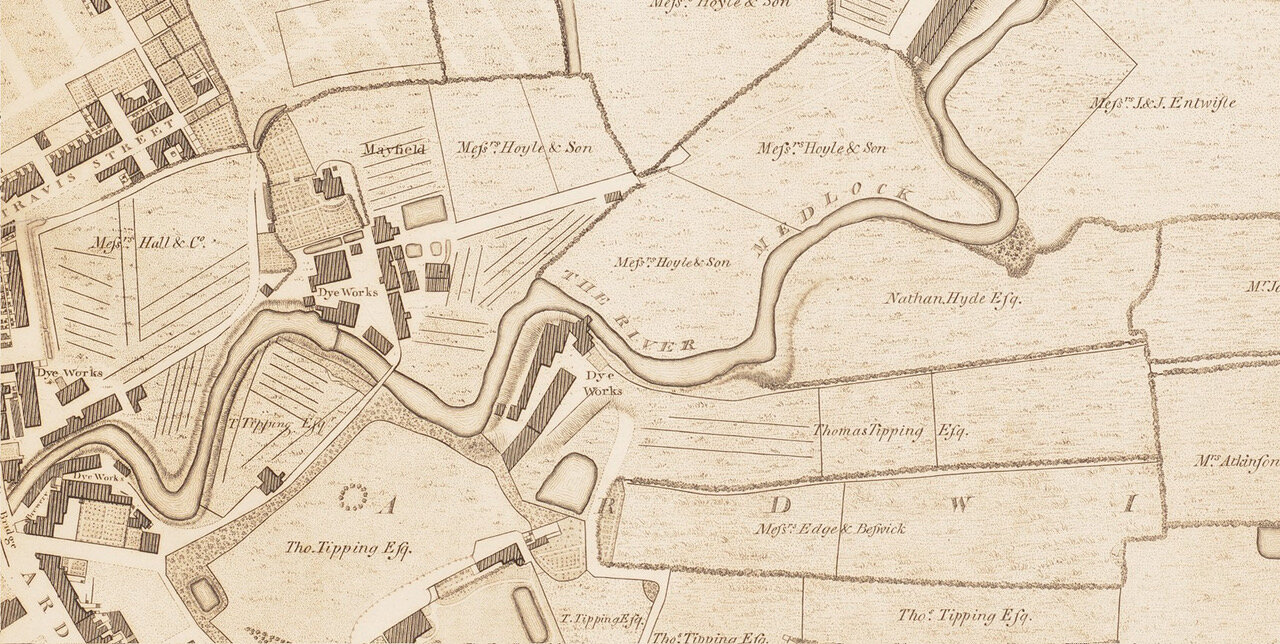
When I think of Manchester’s rivers, I think first of the Irwell. For a number of years spanning the turn of the millennium I crossed it daily, disembarking the train from Wigan at Salford Central and walking up Bridge Street to Deansgate.

Andy Delaney has corralled cinematographers across the globe to help him make a short film about a world united under lockdown - brought all together with the words of Maya Angelou's poem Alone, read by her son Guy Johnson.


Sitting in my office at home during lockdown, I am thinking about somewhere I will never go to but which has been on my mind for decades. Mlawa, the town in Poland where my late grandmother, Malka Lichtenstein (nee Kirsch) was born in 1905. Above my desk taped to the wall is a crumpled postcard of Mlawa

From her apartment in central Berlin, Jessica J. Lee has been listening: to birds, neighbours, her husband and dog. Here she considers the shrinking of her world to a single square mile and the riches to be found within it.

Along with Derek Jarman, Ian Hamilton Finlay changed the way we think about landscape aesthetics, and about the meaning of place, especially those places that have been shaped or deliberately disrupted by human intervention of a religious or political intention. Both artists had found and settled in landscapes that seemed to respond to their inner natures –


The fact that I moved to Morningside in Edinburgh about a year ago and now, if things were normal, I would walk down Morningside Park to Morningside Lane and then turn left on Morningside Road to get to work and I like the fact that it is just the right

“Memory, like the mind and time, is unimaginable without physical dimensions; to imagine it as a physical space is to make it into a landscape in which its contents are located, and what has location can be approached.” - Rebecca Solnit

Why is nature so fascinating and how does it benefit us? How do human beings relate to their ecosystem? Why is it so important to protect the wildlife?

The Fairytale imagines a near future in which society is segregated for health reasons and in which widespread flooding has forced communities to be uprooted and rehoused on new purpose-built estates. The story focuses on one such group of people displaced from the Calder Valley, who find that the wood which grows inside their zone offers them the possibility of escape once every year.

Winter’s spinning ice-markets trace
wonder beaches, Furdustrandir,
peeling from the lost river Dene
and Hanging Ditch, Irk to Irwell,